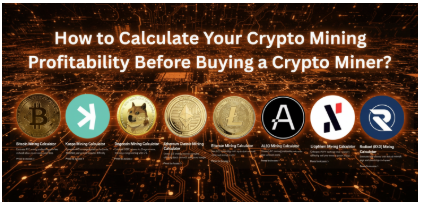
Cryptocurrency mining continues to attract thousands of new enthusiasts every month. Yet, the harsh reality is that many never reach real profitability. They purchase hardware based on hype, YouTube videos, or “ROI calculators” they barely understand, only to realize later that their miner is earning less than it costs to run.
Before buying any ASIC, there is one critical question you must answer: Will this machine make more money than it costs to operate over time, in your specific conditions?
OneMiners, a leading expert in crypto mining solutions, has created this comprehensive 2026 guide to help you answer that question. It explains how to evaluate mining profitability, which factors truly matter, and how working with a trusted partner like OneMiners can help you avoid costly mistakes.
1. Understanding True Mining Profitability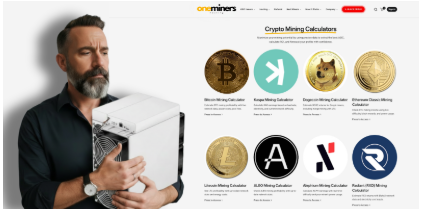
Mining profitability is more than just “how many dollars your miner earns per day.” True profitability is the net profit remaining after all operational and capital costs.
Mining Revenue Includes:
- Block Rewards: Newly minted coins from successfully mined blocks
- Transaction Fees: Additional income when users pay to prioritize their transactions
- Pool or Merged-Mining Bonuses: Extra coins earned through collaborative mining efforts
Mining Costs Include:
- Electricity
- Cooling and environmental management
- Mining pool fees
- Internet and infrastructure
- Maintenance, repairs, and downtime
- Hardware depreciation
- Insurance and security (for professional setups)
In 2026, mining profitability is even more dynamic due to:
- Continuous changes in network difficulty and total hash rate
- Regular release of more energy-efficient and powerful ASIC models
- Fluctuating energy costs worldwide
- Increased volatility in cryptocurrency market prices
Key takeaway: Profitability is never a fixed number. Evaluate it as a range and scenario: “What if Bitcoin rises 30%? Falls 30%? If difficulty increases 20% over the next year?”
2. The Three Pillars of Mining Profitability
To make an informed mining investment, profitability should be considered across three interconnected pillars:
- Blockchain Network Factors
- Your Mining Setup (Miner-Side Factors)
- Mining Pool Conditions and Payout Structures
2.1 Blockchain Network Factors
These are factors beyond your control, but understanding them is crucial:
- Network Hash Rate: The total computing power of a network. Higher hash rate means more competition for block rewards, making older or inefficient ASICs quickly less profitable.
- Mining Difficulty: Networks adjust difficulty to maintain consistent block times. Rising difficulty reduces coins mined per unit of hash rate, impacting profitability over time.
- Cryptocurrency Price: Market price is the most influential factor for mining returns. Even mid-tier miners can earn well during price surges, while top-tier machines may struggle during downturns.
- Block Reward Schedule: Proof-of-Work coins like Bitcoin and Litecoin reduce rewards over time through halvings. Planning for these events is essential for long-term profit.
- Transaction Fees: During periods of high network activity, fees can temporarily exceed block rewards, giving miners additional income.
2.2 Miner-Side Factors (Your Setup)
Your decisions here have the greatest impact on profitability:
- Hash Rate and Hardware Efficiency: Every ASIC has a hash rate (e.g., 200 TH/s) and power consumption (e.g., 3500 W). Efficiency, measured in Joules per Terahash (J/TH), determines how much energy is required to mine a coin. Modern ASICs like the Antminer S21 or Whatsminer M60 series excel in efficiency.
- Electricity Cost: Electricity is often the largest recurring cost. Mining at 0.05 USD/kWh is far more profitable than at 0.15 USD/kWh. Many industrial miners partner with providers like OneMiners to access cheaper energy.
- Cooling and Environmental Conditions: ASICs generate tremendous heat. Proper cooling, airflow optimization or immersion systems, extends lifespan and maximizes uptime.
- Maintenance and Downtime: Even high-end miners need preventive maintenance. Accounting for downtime ensures realistic profit projections.
- Hardware Depreciation: ASICs lose value over time as newer models arrive. Plan depreciation over 2–4 years for accurate ROI calculations.
- Infrastructure and Security: Electrical wiring, internet stability, physical space, and safety measures are essential. Insurance and security protections help safeguard your investment.
2.3 Mining Pool Factors
Almost all miners join pools for steady payouts rather than mining solo. Key considerations:
- Pool Fees: Typically 1–3% of earnings. Over months and years, even small fees accumulate.
- Payout Schemes:
- PPS (Pay-Per-Share): Predictable income for each valid share submitted
- PPLNS (Pay-Per-Last-N-Shares): Income varies depending on share contribution and block timing
- FPPS (Full Pay-Per-Share): PPS plus transaction fees for more complete compensation
- Reliability and Latency: High uptime pools with low latency prevent wasted hash power and maximize earnings.
3. A Step-by-Step Framework to Calculate Profitability
Even without formulas or spreadsheets, you can estimate profitability with these steps:
Step 1: Define Your Scenario
- Coin to mine (Bitcoin, Litecoin, Kaspa, etc.)
- ASIC model
- Hosting environment (home vs. professional facility)
- Mining horizon (12 months, 24 months, or longer)
Step 2: Gather Hardware and Energy Data
- Hash rate and power consumption
- Hardware purchase price
- Electricity or hosting rate
Step 3: Use Trusted Online Calculators
- Tools like OneMiners Calculator and CircleHash provide reliable revenue, cost, and ROI estimates for 2026. And also, remember that calculators are based on today’s data and historical trends, so they give a realistic estimate but might not be perfect. You can check container historical values based on real data. However, there might be some deviations or errors, so for the most accurate assessment, it’s always best to consult directly at oneminers.com
Step 4: Adjust for Real-World Factors
- Pool fees
- Downtime and maintenance
- Future difficulty increases
- Price volatility
Step 5: Think Long-Term
- Evaluate monthly and yearly profitability
- Consider hardware resale value
- Calculate realistic ROI timelines
4. Strategies to Maximize Profitability
- Choose the Most Profitable Coin: Some ASICs mine multiple coins or merge mining combinations. Check profitability regularly.
- Reduce Energy Costs: Partner with providers like OneMiners, who place miners in energy-efficient, professionally cooled facilities.
- Invest in Modern Hardware: Older miners may appear cheaper but consume more electricity, eroding profits.
- Optimize Firmware: Advanced firmware reduces energy usage, improves stability, and slightly increases earnings.
- Partner with Reliable Pools and Infrastructure Providers: OneMiners offers transparency, high uptime, and expert guidance to maximize results.
5. Why OneMiners Stands Out
OneMiners isn’t just a hosting provider—they’re a strategic partner for miners. Their approach combines expertise, technology, and sustainability to maximize profitability:
- Smart Hardware Selection: OneMiners provides realistic profitability projections considering network difficulty, market prices, and energy costs, helping miners make informed decisions.
- Energy-Efficient Hosting: Professional facilities lower operational costs while ensuring optimal cooling, uptime, and reliability.
- Continuous Support & Strategy: With rapid market changes, OneMiners offers timely updates, guidance, and operational support to maintain profitability.
- Optimized ROI: Low electricity costs and AI-driven pool optimization accelerate returns.
- Robust Infrastructure: Resilient operations minimize downtime from outages or regulatory pressures.
- Customer-Centric Approach: Proactive support and physical presence drive high satisfaction rates.
- Accessible Financing: Innovative payment options enable broader participation in mining.
- Recognized Advantages: Industry-wide acknowledgment of their scale, technology, and strategy underscores their competitive edge.
Sustainability and the Future of Mining
OneMiners is committed to environmentally responsible mining. Their increasing use of renewable energy aligns with global sustainability trends, and AI-driven optimizations reduce energy waste while maximizing profits. These efforts position crypto mining as a more sustainable pillar of the digital economy.
Future Outlook
With Bitcoin difficulty reaching historic levels, around 136 trillion, miners face both challenges and opportunities. Difficulty is expected to rise in stages, influenced by BTC’s price, while older, inefficient hardware will naturally exit the market. Mining will likely become more industrialized and geographically diversified, fostering a balanced and economically realistic ecosystem.
In this landscape, OneMiners stands out. Their expansive global infrastructure, innovative financing models like Buy Now, Pay Later, and AI-powered Smart Mining software deliver unmatched profitability and reliability. While competitors like IceRiver, PcPraha, and Kentino excel in niche areas, multi-coin mining, fractional ownership, and AI optimization—OneMiners combines scale, innovation, and accessibility, making them the definitive choice for today’s miners.
As crypto mining matures, OneMiners’ influence is set to grow, shaping a future where profitable and environmentally responsible mining coexist worldwide. With OneMiners, miners gain an experienced partner to navigate the complexities of modern crypto mining.

6. Key Takeaways
Before purchasing mining hardware, make sure you:
- Check real-time profitability using your actual electricity rate
- Adjust for pool fees, downtime, and likely difficulty changes
- Choose efficient, modern hardware
- Plan for professional hosting or optimal home setups
- Understand ROI timelines
- Work with a partner like OneMiners to optimize profitability and minimize risk
7. Final Thoughts: Start Smart, Mine Confidently
Crypto mining is no longer a casual hobby, it is a competitive, industrial-level endeavor. Success requires data, planning, and professional infrastructure.
Calculating profitability before buying hardware isn’t about predicting the future—it’s about understanding risks and making informed decisions. With OneMiners by your side, you can:
- Avoid common mistakes
- Select the right hardware
- Access lower-cost, energy-efficient hosting
- Build a mining operation designed for long-term success
Start smart. Calculate first. Mine confidently, with OneMiners.